The "GU1 Exam Preparation Sharing Session for the students of 2024 SQA Advanced Diploma Programme at International College(IC), Xiamen University(XMU) was successfully held at noon on April 7th in Lecture Hall of Building No. 3. The session aimed o help the students of 2024 effectively tackle the challenges of the GU1 exam, clarify their revision strategies, master efficient methods, and improve test-taking skills,. It was hosted by Ms. Yang Shuai, Head of the Professional Teaching and Research Group, and was opened with a speech by He Haitao, Deputy Dean of IC. Outstanding students from the Class of 2023, Huang Zhuofan, Zhang Jiayu, and Yang Chunjie, were invited as speakers, offering a highly targeted and informative feast of exam preparation experience to the attendees.
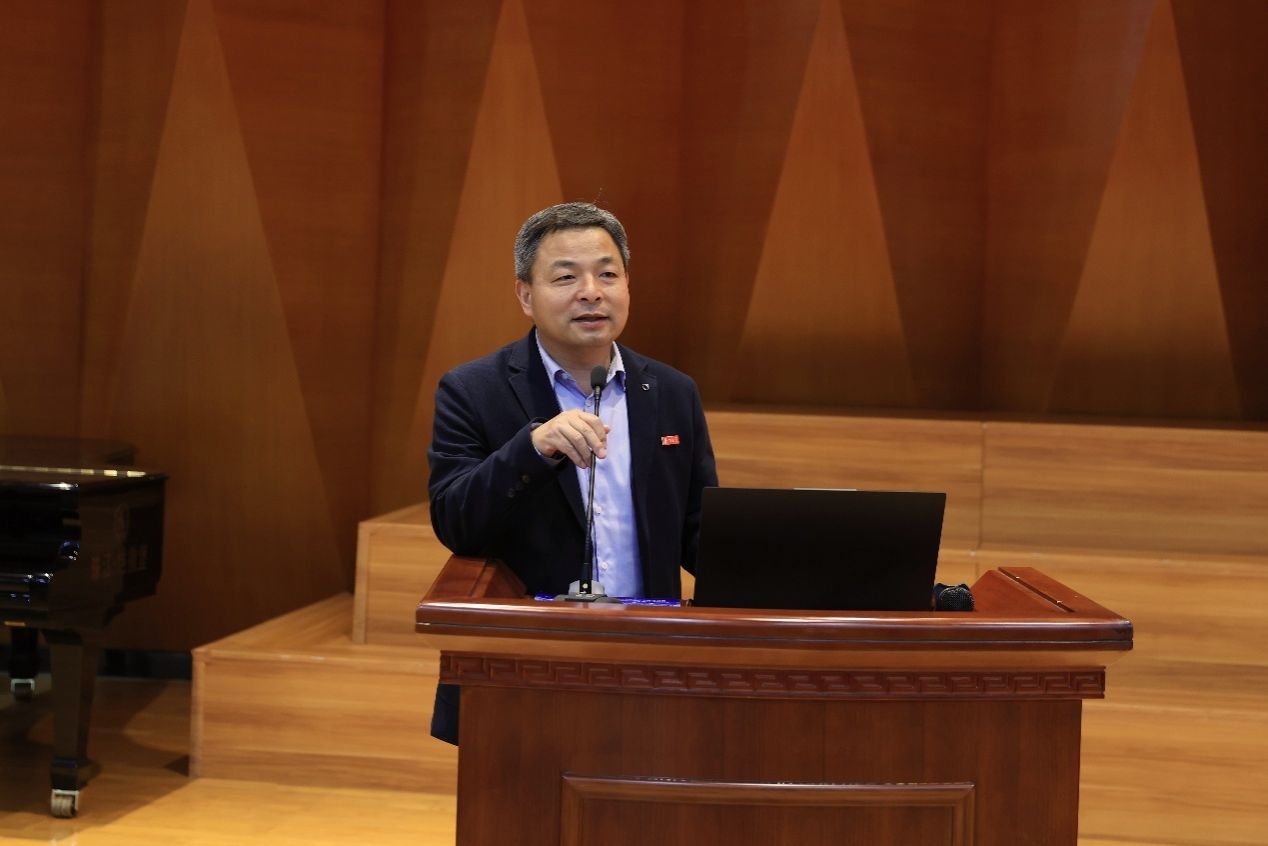
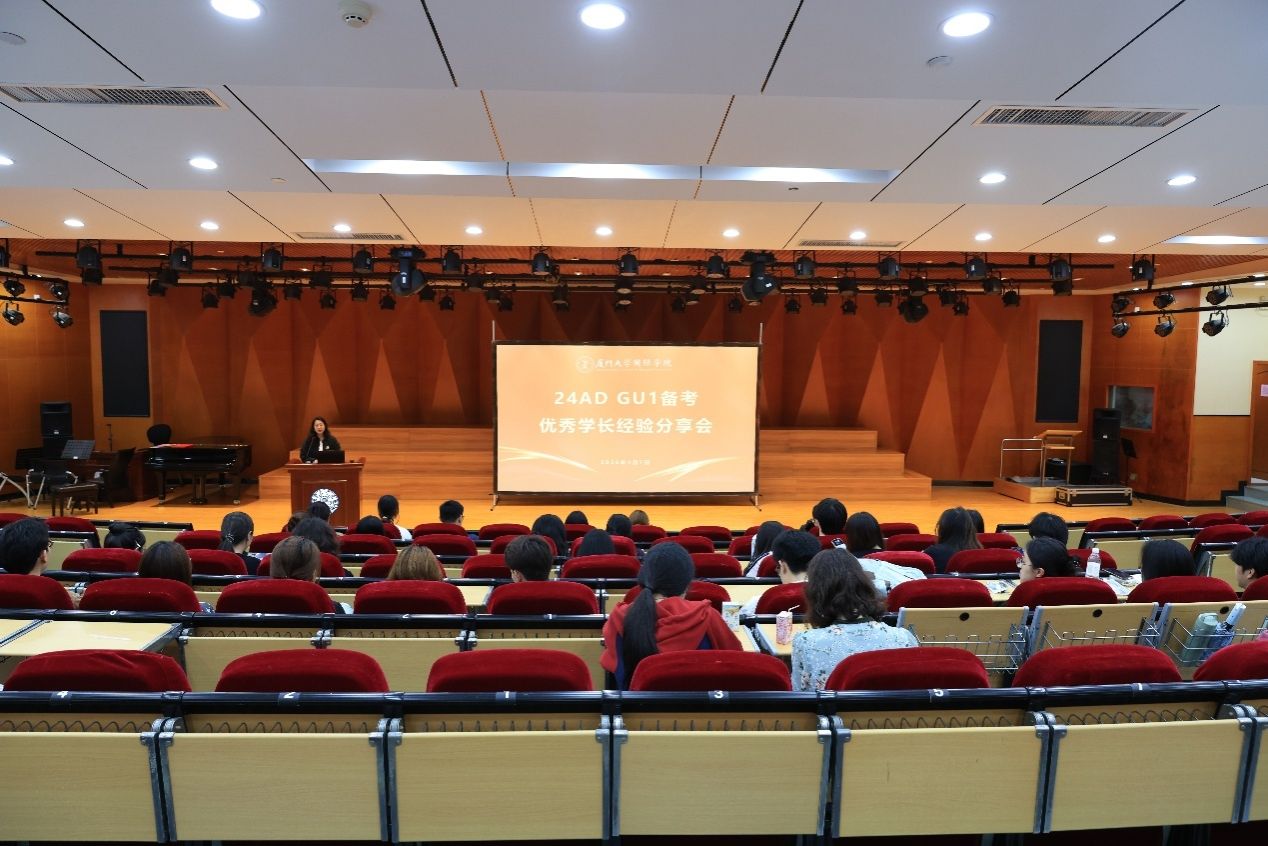
In his speech, He Haitao, combined the celebration of Xiamen University’s 105th anniversary with the university’s goal of striving for a world-class institution, emphasized that internationalization in education is a core indicator, and that GU1 and GU2 exam results serve as a key basis for applications to prestigious overseas universities. Gratitude was expressed to the three outstanding students for their selfless sharing of exam preparation experience. The students were encouraged to study diligently, apply what they have learned, and translate the valuable experiences shared into tangible exam readiness. They were advised to prepare thoroughly for the exams and, in the future, successfully gain admission to their desired overseas institutions.
At the sharing session, systematic presentations were delivered by the three senior students based on their own academic disciplines and high-scoring exam preparation experiences. Practical insights were shared across several areas, including the breakdown of difficult exam points, memorization techniques, test-taking strategies, mock practice, and the appropriate use of AI tools.
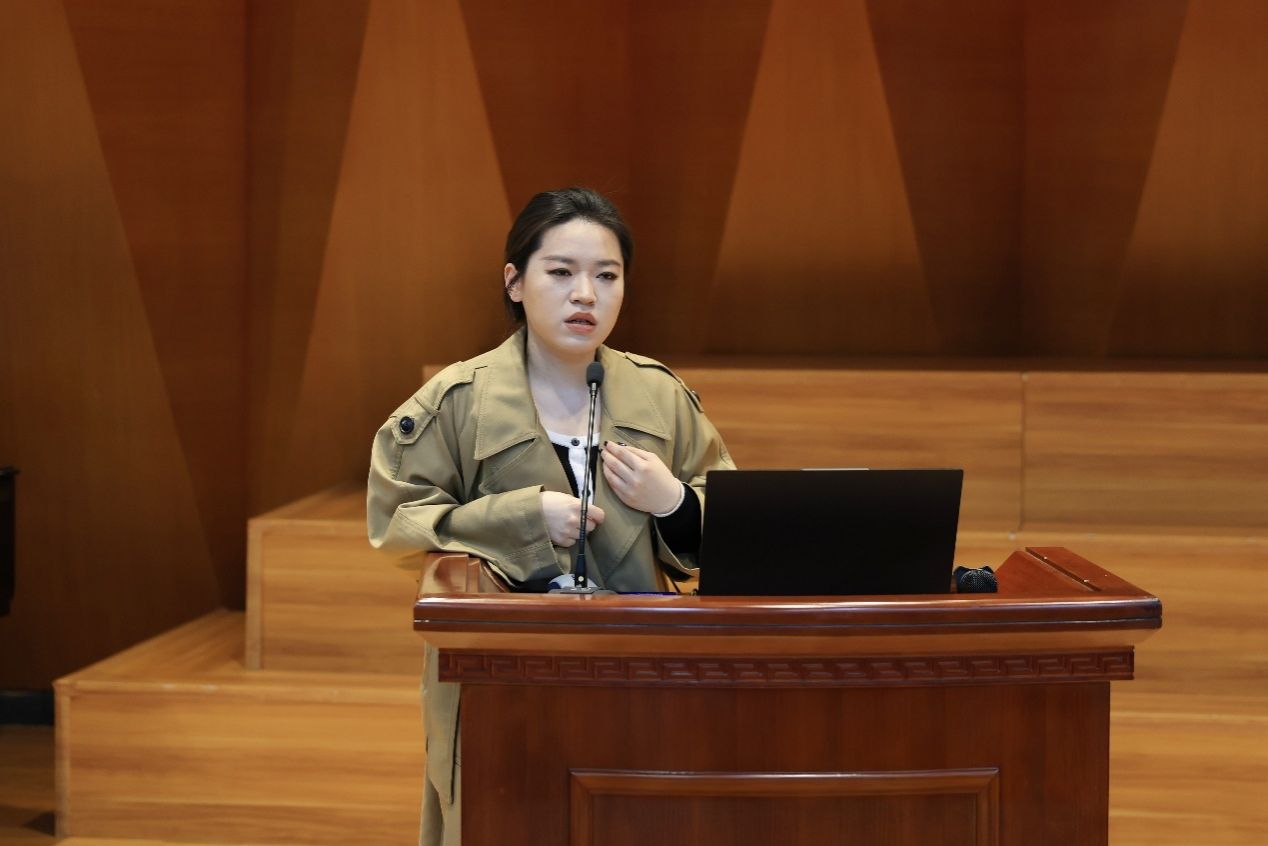
Huang Zhuofan focused on the entire exam preparation process, which was divided into two major stages: pre-exam preparation and in-exam performance. To address key challenges such as logical structuring, case matching, elaboration and expansion, and efficient memorization, several methods were introduced, including the “building the framework first, then refining the details” and the “point-line-plane” memorization method. Clever memorization tips were also shared, such as the use of mnemonics, keyword extraction, and visualization. Emphasis was placed on starting early, engaging in extensive mock practice, and practicing under timed conditions. Students were advised to allocate time wisely, learn to prioritize key content, make the most of practice opportunities, and proactively identify weaknesses. It was stressed that thorough preparation leads to consistent performance.
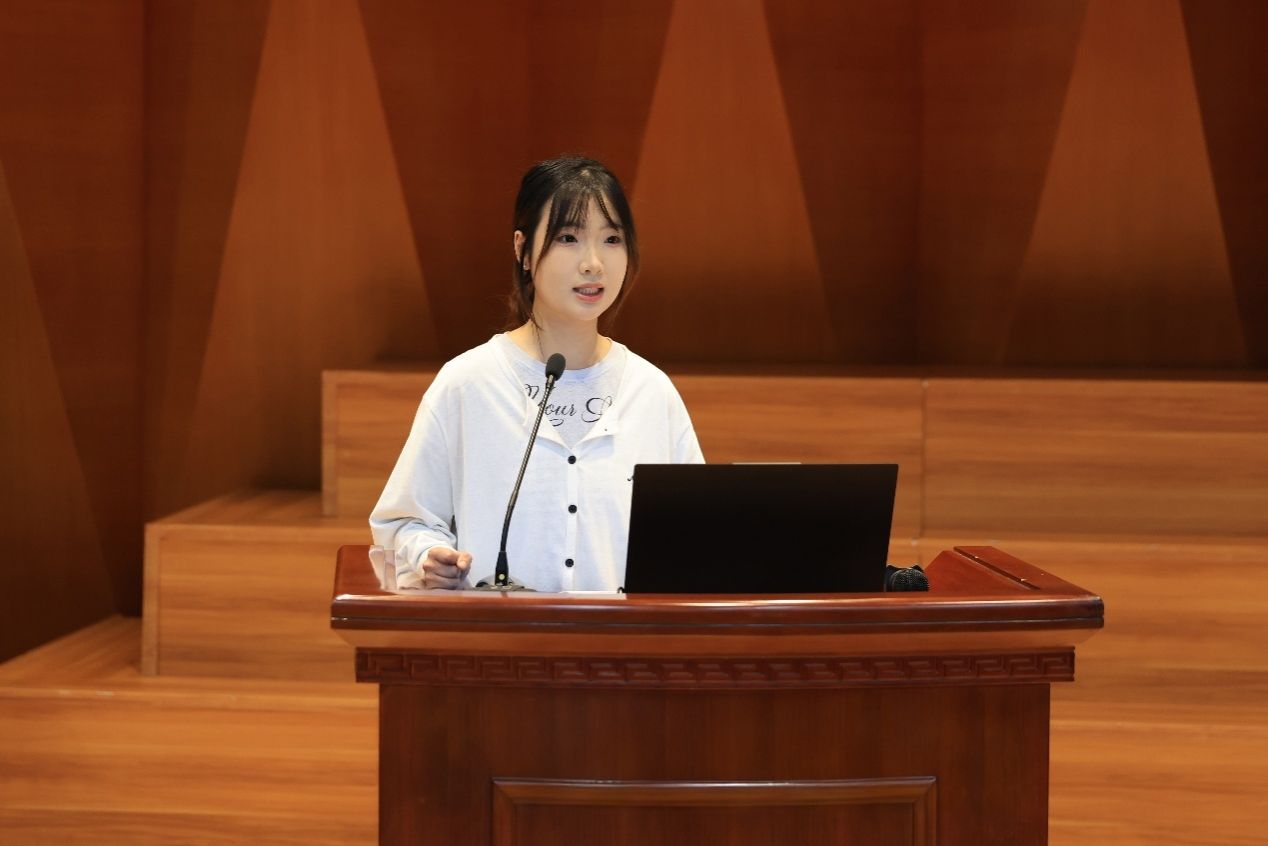
Zhang Jiayu, drawing on her high-scoring exam preparation experience in the International Finance, distilled four core essentials: refining answer logic, focused memorization, mock practice, and precise expression. Students were advised to make full use of their teachers' consultation hours to repeatedly polish their answer logic and techniques. AI tools were suggested only as aids for generating ideas, not as sources to be copied directly. For memorization, a dictation-based consolidation method was recommended, with key concepts anchored using both Chinese and English keywords to improve efficiency and accuracy. A full timed mock exam was emphasized as essential before the test to adapt to the writing pace and avoid incomplete answers. Furthermore, strict adherence to professional terminology was highlighted to ensure precise expression and full coverage of key grading points.
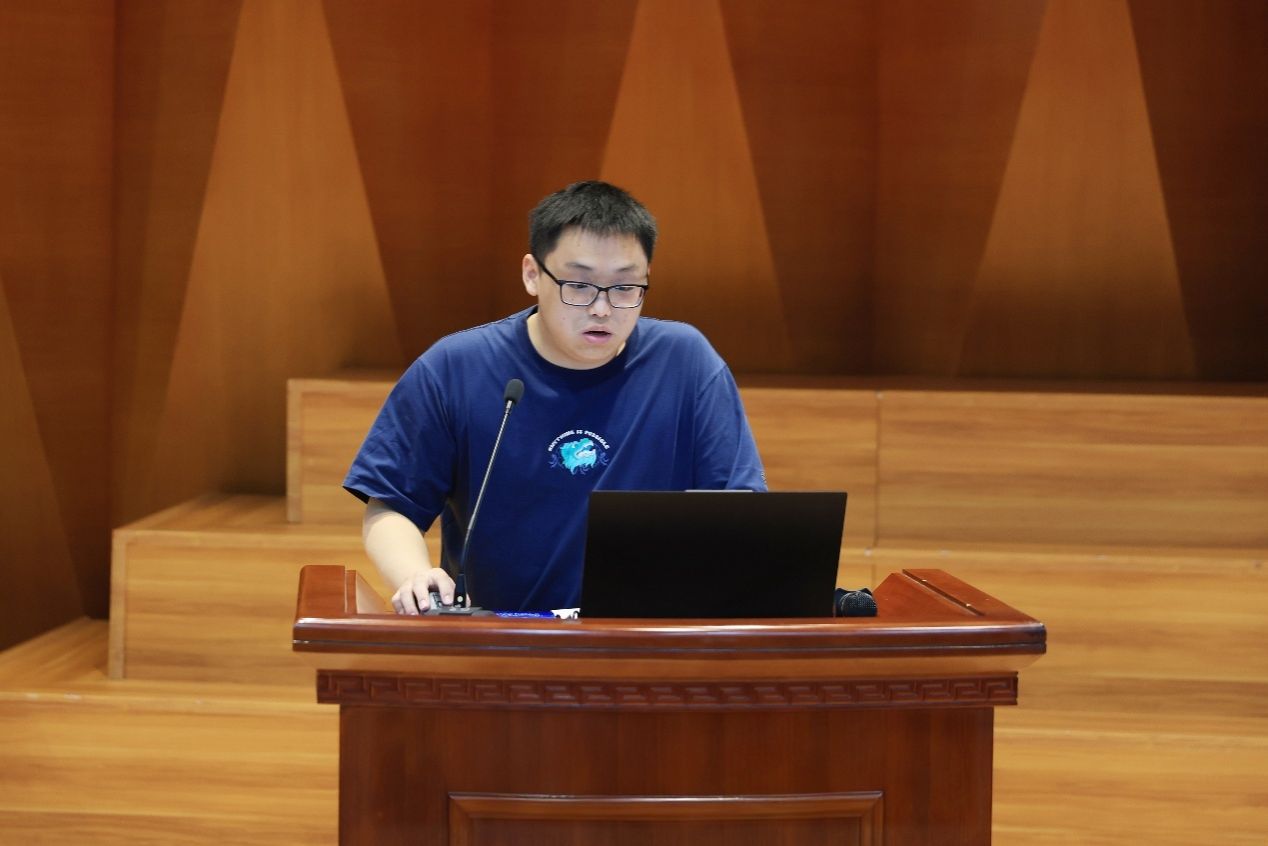
Yang Chunjie introduced a systematic four-stage closed-loop approach to exam preparation: (1) independent reading of cases combined with teacher-led explanation of answer techniques; (2) re-reading cases with specific questions in mind to build a resource bank; (3) independent preparation and revision (the core stage); and (4) memorization of keyword chains. A high-scoring answer structure was thoroughly explained: theory + personal analysis and interpretation + case evidence. Through examples, it was demonstrated how to plan key points according to mark allocation, balance arguments for and against, and control word count. The use of AI was encouraged only for theoretical inspiration, while thinking and writing were emphasized as tasks to be completed independently. Memorization was to be achieved through understanding of keywords rather than rote learning. Additionally, students were advised to start preparation early, allowing sufficient time for revision and mock practice.
During the interactive session, questions were actively raised by students on topics such as target grade communication, time allocation, and exam preparation mindset. Each question was answered in detail by the three senior students and Ms Yang Shuai, with clarification provided on grading criteria and preparation strategies, creating a lively atmosphere. In her concluding remarks, Ms. Yang Shuai reminded students to choose methods suited to their own programme characteristics, make full use of tutorial sessions, plan scientifically, practice diligently, and strive with full effort toward their desired results.
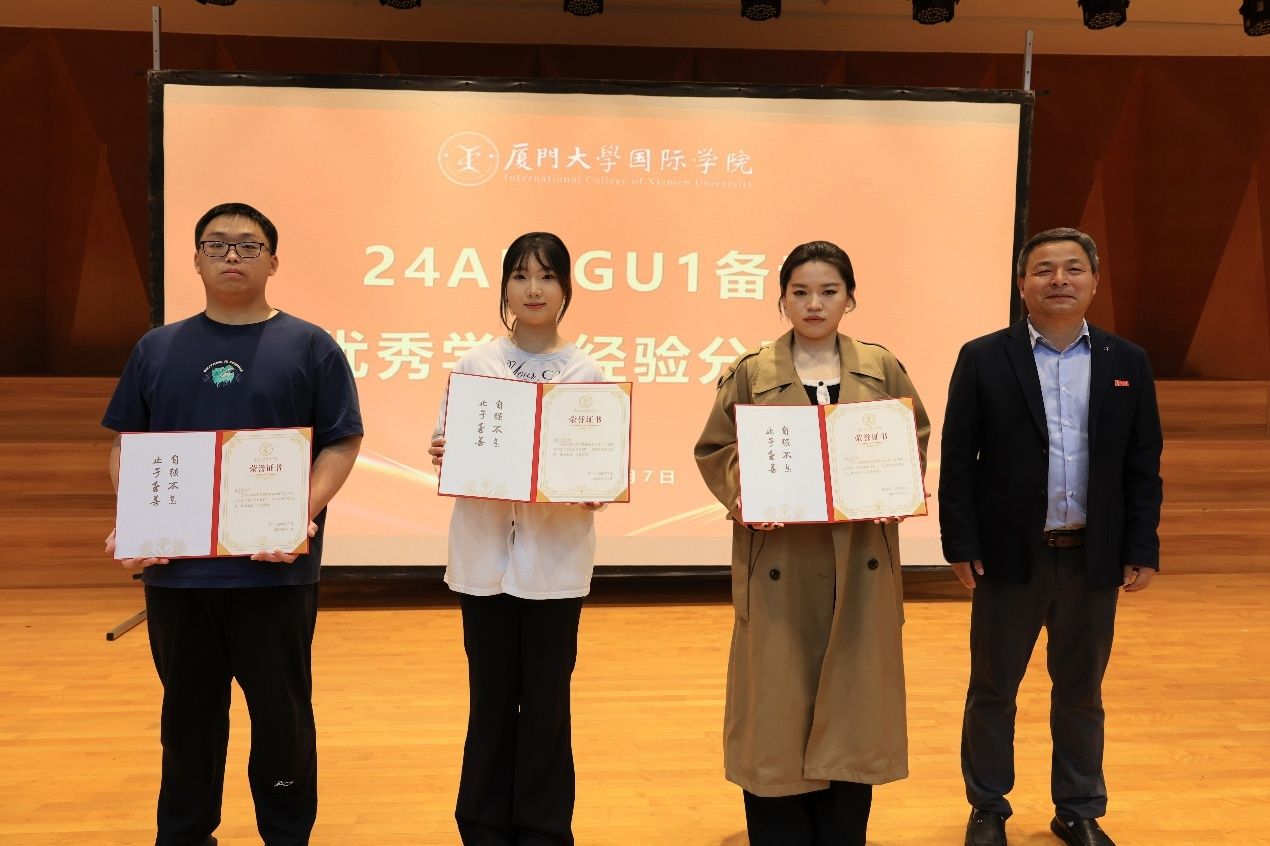
The "Outstanding Volunteer of the Peer mentorship Programme" honorary certificates were presented to the three senior students by He Haitao, Deputy Dean of IC
This sharing session was closely aligned with the practical needs of GU1 exam preparation, allowing high-scoring experiences that are practicable and replicable passed on to every student. As a result, exam-related anxiety was effectively alleviated and a clear direction for revision was established. Looking ahead, a series of activities under the "Peer Mentorship Programme" will continue to be organized by the College. Through the transmission of experience, students' academic growth will be supported, a positive learning atmosphere characterized by diligent thinking, mutual assistance, and shared progress will be fostered, and strong support will be provided for students on their journey toward overseas study.

 国际学院
国际学院
 国际学院招生